 Technology
Introduction
Digital systems have become the backbone of modern society. Governments process identity documents online, hospitals manage electronic medical records, financial institutions facilitate digital payments, and businesses deliver services through web and mobile platforms. As reliance on technology grows, so does the expectation that these systems will be secure, reliable, transparent, and fair.
Public confidence is one of the most valuable outcomes of effective digital transformation. When people trust a system, they are more willing to adopt online services, share accurate information, complete transactions electronically, and participate in digital initiatives. Conversely, poorly designed systems that suffer outages, security breaches, or confusing interfaces can quickly undermine confidence and discourage use.
Designing systems that earn public confidence requires more than technical expertise. It demands a holistic approach that integrates security, privacy, accountability, accessibility, governance, and continuous improvement into every stage of development and operation.
Why Public Confidence Matters
Trust determines whether digital initiatives succeed or fail. Citizens expect government portals to protect personal information and deliver services efficiently. Customers expect businesses to safeguard financial data and provide seamless digital experiences.
Systems that earn public confidence deliver several benefits:
- Higher adoption and engagement.
- Improved operational efficiency.
- Greater compliance with digital processes.
- Reduced fraud and security risks.
- Stronger institutional reputation.
- Better decision-making through reliable data.
For governments, trusted systems also strengthen public administration by improving transparency, accountability, and access to essential services.
Foundations of Trustworthy System Design
Successful digital platforms are built on several core principles.
1. User-Centered Design
Technology should serve people, not the other way around. Systems must be intuitive, accessible, and designed around user needs.
Key considerations include:
- Simple navigation.
- Clear language and instructions.
- Mobile responsiveness.
- Accessibility for users with disabilities.
- Fast and consistent performance.
- Support for multiple languages where appropriate.
2. Security by Design
Security should be integrated from the earliest planning stages rather than added after deployment.
Recommended controls include:
- Multi-factor authentication.
- Encryption of data in transit and at rest.
- Role-based access control.
- Continuous vulnerability assessments.
- Security monitoring and intrusion detection.
- Secure coding practices.
- Regular software updates and patch management.
3. Privacy by Design
Users should have confidence that their personal information is collected responsibly and handled with care.
Organizations should:
- Minimize unnecessary data collection.
- Clearly explain data usage.
- Define retention policies.
- Restrict unauthorized access.
- Protect sensitive records through encryption and auditing.
4. Transparency
People trust systems when they understand how they work.
Transparency involves:
- Publishing service standards.
- Explaining automated decisions where applicable.
- Providing status updates and notifications.
- Making policies and procedures publicly available.
- Offering clear communication during outages or incidents.
5. Accountability
Every action within a system should be attributable and auditable.
Best practices include:
- Comprehensive audit logs.
- Clearly defined responsibilities.
- Incident reporting mechanisms.
- Governance committees.
- Independent reviews and compliance monitoring.
Security and Privacy by Design
Security is fundamental to maintaining trust. A single breach can damage public confidence for years.
Organizations should adopt:
- Zero Trust security principles.
- Least-privilege access controls.
- Endpoint protection.
- Network segmentation.
- Continuous monitoring.
- Disaster recovery planning.
- Regular penetration testing.
- Security awareness training for staff.
Privacy should be embedded into every stage of system development, ensuring compliance with relevant legal and regulatory obligations while respecting user rights.
Transparency and Accountability
Transparent systems reduce uncertainty and encourage participation. Institutions should openly communicate service timelines, performance indicators, and operational changes.
Accountability mechanisms may include:
- Independent audits.
- Public performance dashboards.
- Complaint and appeals procedures.
- Internal compliance reviews.
- Clearly documented governance structures.
When users can verify that systems operate fairly and consistently, confidence naturally increases.
User Experience and Accessibility
Even the most secure system can fail if users struggle to navigate it.
An effective user experience should:
- Minimize unnecessary steps.
- Provide real-time feedback.
- Use plain, understandable language.
- Offer responsive support channels.
- Be compatible with assistive technologies.
- Function effectively across desktop and mobile devices.
Inclusive design broadens access and ensures no group is unintentionally excluded.
Reliability and Business Continuity
Public-facing systems should remain available even during unexpected events.
Organizations can improve resilience through:
- High-availability infrastructure.
- Cloud redundancy.
- Automated backups.
- Load balancing.
- Failover mechanisms.
- Regular disaster recovery testing.
- Capacity planning for peak demand.
Reliable services reinforce confidence by demonstrating consistency and preparedness.
Leveraging Emerging Technologies Responsibly
Artificial intelligence, automation, cloud computing, and predictive analytics can significantly improve efficiency and service quality. However, these technologies should be implemented with appropriate safeguards.
Responsible deployment includes:
- Human oversight of automated decisions.
- Bias assessment and mitigation.
- Explainable outputs where practical.
- Continuous monitoring for unintended effects.
- Ethical governance frameworks.
Technology should enhance trust rather than replace human accountability.
Best Practices for Public and Private Organizations
To strengthen public confidence, organizations should:
- Prioritize users during system design.
- Integrate security and privacy from the outset.
- Maintain transparent communication with stakeholders.
- Implement comprehensive audit trails.
- Regularly test systems for vulnerabilities and performance.
- Collect and act on user feedback.
- Train staff on cybersecurity and data protection.
- Monitor key performance indicators and publish appropriate service metrics.
- Continuously improve processes through evidence-based decision-making.
- Ensure leadership remains accountable for digital governance and ethical practices.
Conclusion
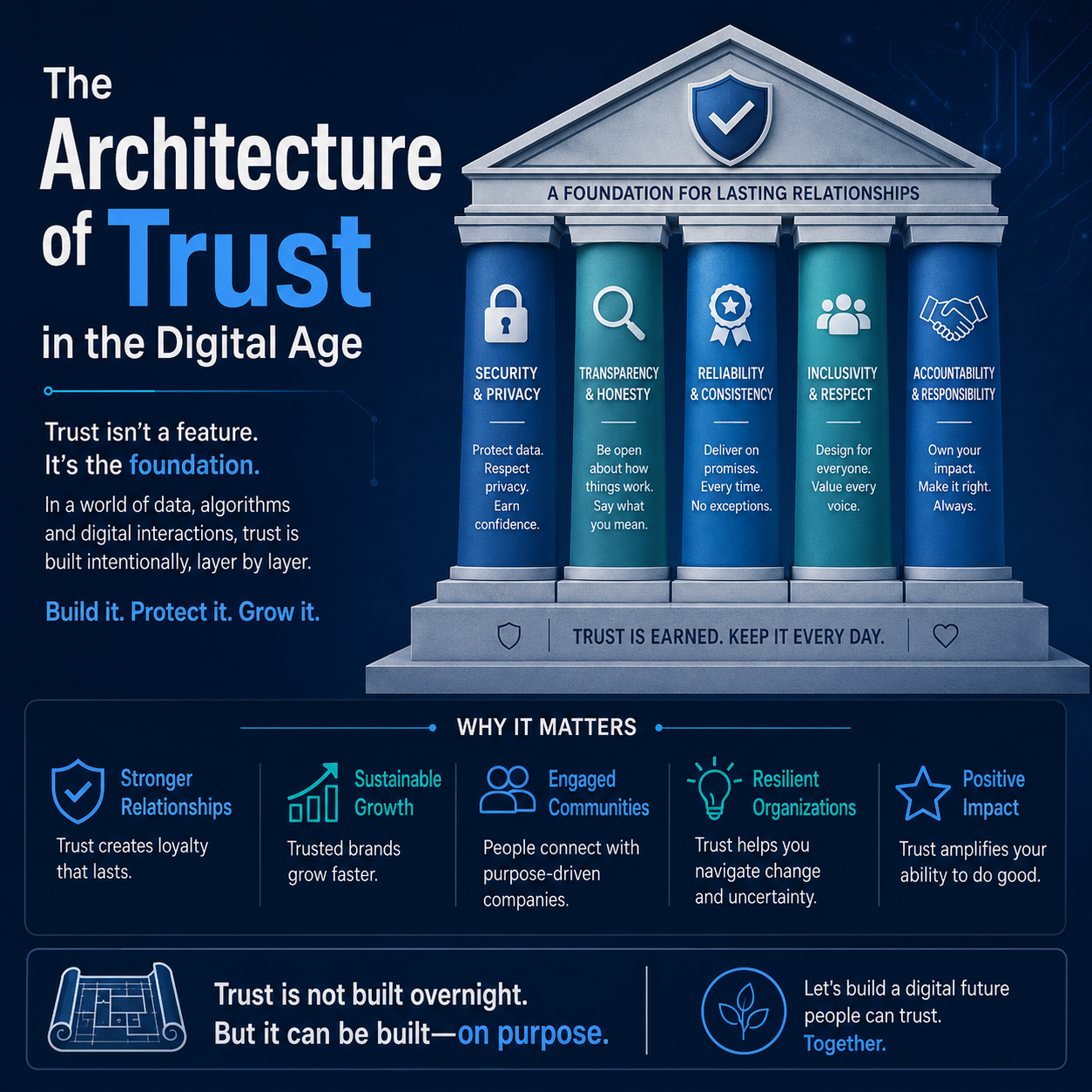
Designing systems that earn public confidence is about more than delivering technology—it is about delivering assurance. Secure architectures, transparent operations, reliable performance, ethical governance, and user-centered experiences create the foundation for lasting trust.
Whether serving citizens through government platforms or customers through private-sector solutions, organizations that invest in trustworthy system design are better positioned to improve adoption, enhance service delivery, and build enduring relationships. In a rapidly evolving digital landscape, confidence is not merely an outcome; it is a strategic advantage that enables innovation, strengthens institutions, and empowers communities.








Leave a Comment