 Technology
Introduction
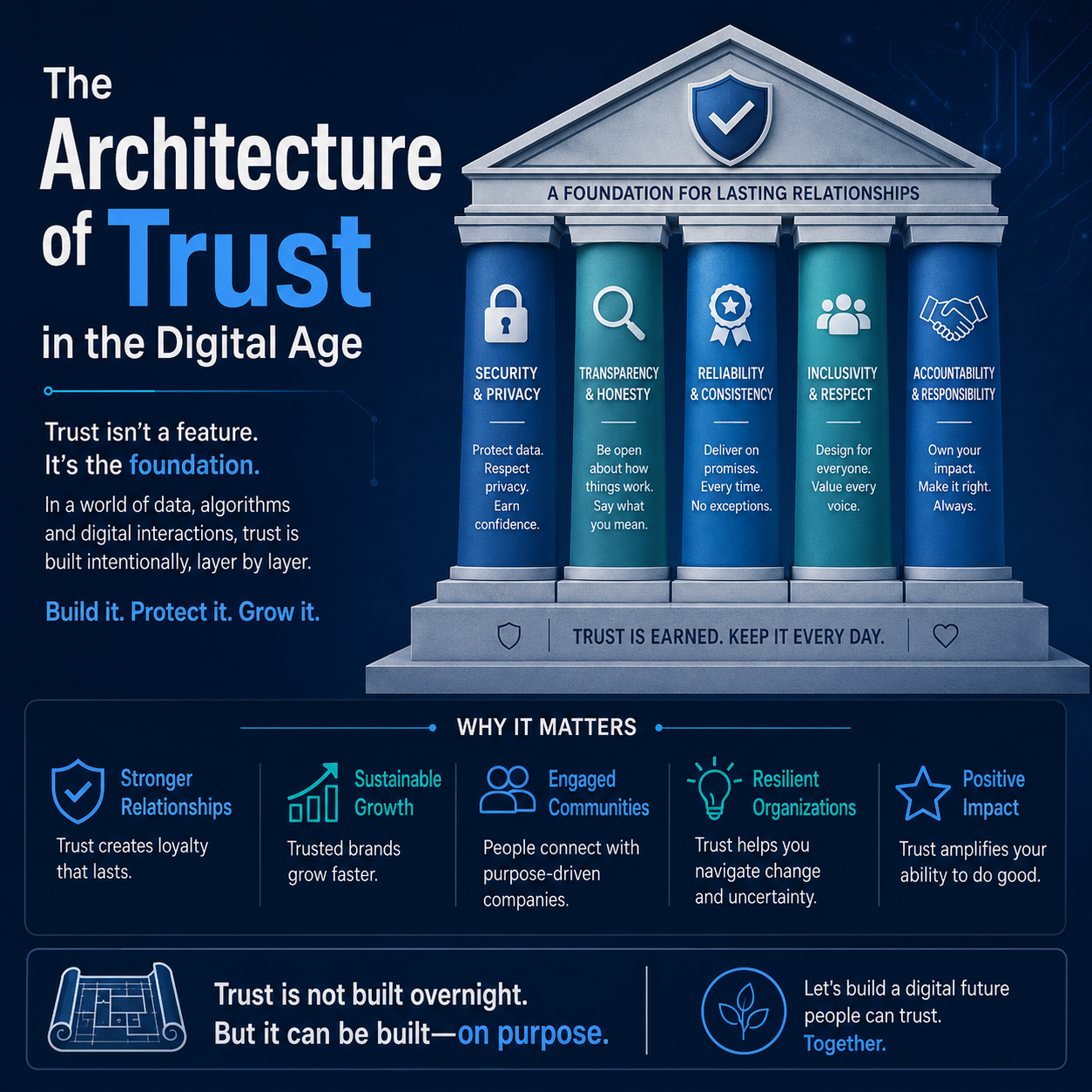
In the digital age, trust is no longer built solely through face-to-face interactions or physical documentation. Every online transaction, government portal, banking application, cloud platform, and digital communication relies on an invisible architecture of trust that assures users their data is secure, their identities are protected, and the systems they use are reliable.
As organizations accelerate digital transformation, trust has become a strategic asset rather than merely a technical requirement. Citizens expect government services to be secure and transparent, customers expect businesses to protect their information, and employees expect digital workplaces to safeguard their identities and communications.
The institutions that invest in trust are often the ones that earn lasting confidence and stronger engagement from the people they serve.
What Is Digital Trust?
Digital trust refers to the confidence that users place in technology, organizations, and digital services to operate securely, ethically, reliably, and transparently.
It encompasses several interconnected elements:
- Strong cybersecurity measures
- Protection of personal and organizational data
- Transparent governance and accountability
- Reliable system availability
- Ethical use of emerging technologies
- Compliance with legal and regulatory frameworks
- User-centered service design
Without these components, even the most advanced digital solutions may struggle to gain adoption.
The Pillars of Digital Trust
1. Cybersecurity
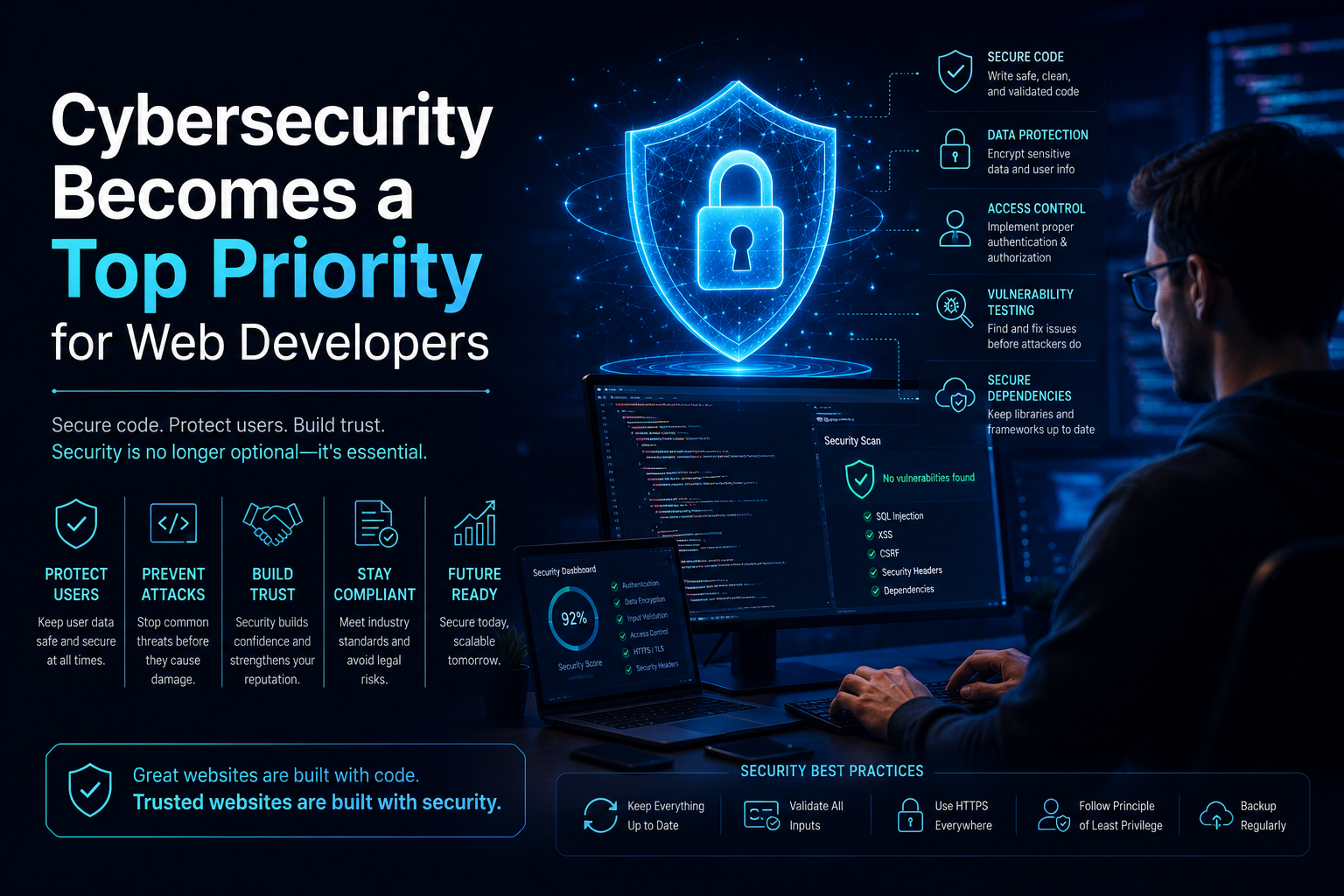
Security is the first line of defense in establishing trust. Firewalls, endpoint protection, encryption, vulnerability management, intrusion detection, and continuous monitoring help defend systems against cyber threats.
Organizations should adopt proactive security strategies that identify risks before they become incidents rather than relying solely on reactive measures.
2. Data Privacy
People want assurance that their personal information is collected responsibly, stored securely, and used only for legitimate purposes.
Clear privacy policies, consent mechanisms, data minimization practices, and responsible data governance strengthen confidence in digital services.
3. Identity and Access Management
Knowing who is accessing systems is fundamental to trust. Modern authentication mechanisms such as multi-factor authentication, role-based access controls, and biometric verification reduce unauthorized access and identity fraud.
Organizations should ensure users have only the permissions necessary to perform their roles.
4. Transparency and Accountability
Trust grows when institutions communicate openly about how systems operate, how decisions are made, and how data is managed.
When service disruptions or security incidents occur, timely communication and accountability can preserve public confidence even during challenging situations.
5. Reliability and Availability
Users expect digital platforms to function consistently. Frequent downtime, poor performance, or unreliable services erode confidence quickly.
Robust infrastructure, backup systems, disaster recovery planning, and business continuity strategies help maintain dependable service delivery.
6. Ethical Technology and Artificial Intelligence
As automation and artificial intelligence become more prevalent, ethical considerations become increasingly important.
Organizations should ensure that automated decisions are fair, explainable, unbiased where possible, and subject to appropriate human oversight.
The Public Sector Perspective
Governments worldwide are digitizing services such as licensing, tax administration, identity management, healthcare, procurement, and citizen engagement.
For public institutions, trust extends beyond cybersecurity. Citizens must believe that digital services are:
- Accessible to all users
- Transparent in their operations
- Secure against unauthorized access
- Reliable during periods of high demand
- Designed with privacy and fairness in mind
In Kenya, continued investment in secure digital infrastructure, interoperable government platforms, digital literacy, and resilient ICT systems can strengthen confidence in e-government initiatives and improve service delivery.
The Private Sector Perspective
Businesses depend on trust to retain customers and protect their reputations.
Consumers increasingly evaluate organizations based on:
- How they handle personal data
- Whether payments are secure
- The reliability of online platforms
- Responsiveness to security incidents
- Transparency in communication
A single data breach can damage customer confidence and lead to financial and reputational consequences that persist long after technical issues have been resolved.
Zero Trust: A Modern Security Philosophy
One of the most influential concepts in cybersecurity today is the Zero Trust model.
Rather than assuming users or devices inside a network are trustworthy, Zero Trust operates on the principle of "never trust, always verify." Every access request is authenticated, authorized, and continuously evaluated based on context and risk.
This approach is particularly valuable in environments that use cloud services, remote work, mobile devices, and distributed infrastructure.
Building Trust Through Technology Leadership
Technology leaders can strengthen digital trust by:
- Conducting regular security assessments
- Training employees on cybersecurity awareness
- Implementing strong authentication policies
- Encrypting sensitive information
- Monitoring systems continuously
- Maintaining incident response plans
- Performing routine backups and recovery testing
- Updating software and firmware promptly
- Communicating transparently with stakeholders
- Embedding privacy and security into system design from the outset
Trust should be treated as an ongoing commitment rather than a one-time project.
Challenges in the Digital Age
Despite technological advances, organizations face persistent challenges including:
- Sophisticated cyberattacks
- Social engineering and phishing
- Insider threats
- Ransomware campaigns
- Supply chain vulnerabilities
- AI-generated fraud and impersonation
- Increasing regulatory requirements
- Growing public expectations regarding privacy
Addressing these challenges requires collaboration among technology teams, executive leadership, policymakers, and end users.
The Future of Digital Trust
Emerging technologies such as decentralized identity, privacy-enhancing computation, quantum-resistant cryptography, and AI-assisted security operations are poised to reshape how trust is established and maintained.
However, technology alone cannot guarantee trust. Leadership, ethics, governance, and transparency will remain equally important as digital ecosystems evolve.
Organizations that consistently demonstrate responsibility and accountability are more likely to earn long-term confidence from citizens, customers, partners, and employees.
Conclusion
The architecture of trust in the digital age is built on much more than software and hardware. It is an ecosystem where cybersecurity, privacy, transparency, governance, resilience, and ethical innovation work together to create confidence in digital interactions.
Whether in government institutions delivering public services or private enterprises serving customers worldwide, trust has become one of the most valuable digital assets. By designing secure systems, protecting data, communicating openly, and prioritizing people alongside technology, organizations can create digital environments where innovation flourishes and confidence endures.





Leave a Comment