 Digital Marketing
The era of one-size-fits-all advertising is rapidly coming to an end. Businesses are increasingly adopting hyper-personalized marketing strategies that use customer data and artificial intelligence to deliver tailored messages to specific audiences. This approach allows brands to provide more relevant content and improve the overall customer experience.
Hyper-personalization involves analyzing customer behavior, purchase history, browsing activity, and demographic information to create customized advertising campaigns. By understanding individual preferences, marketers can deliver products, services, and promotions that are more likely to resonate with each customer. This targeted approach often results in higher engagement rates and improved conversion performance.
Artificial intelligence plays a critical role in enabling personalization at scale. Modern marketing platforms can process vast amounts of data in real time, automatically adjusting advertisements based on user interactions and preferences. These AI-driven systems help businesses optimize campaigns while reducing manual effort and increasing efficiency.
Consumers increasingly expect personalized experiences when interacting with brands online. Whether through email marketing, social media advertisements, or website recommendations, tailored content can significantly influence purchasing decisions. Businesses that fail to meet these expectations risk losing customers to competitors offering more relevant experiences.
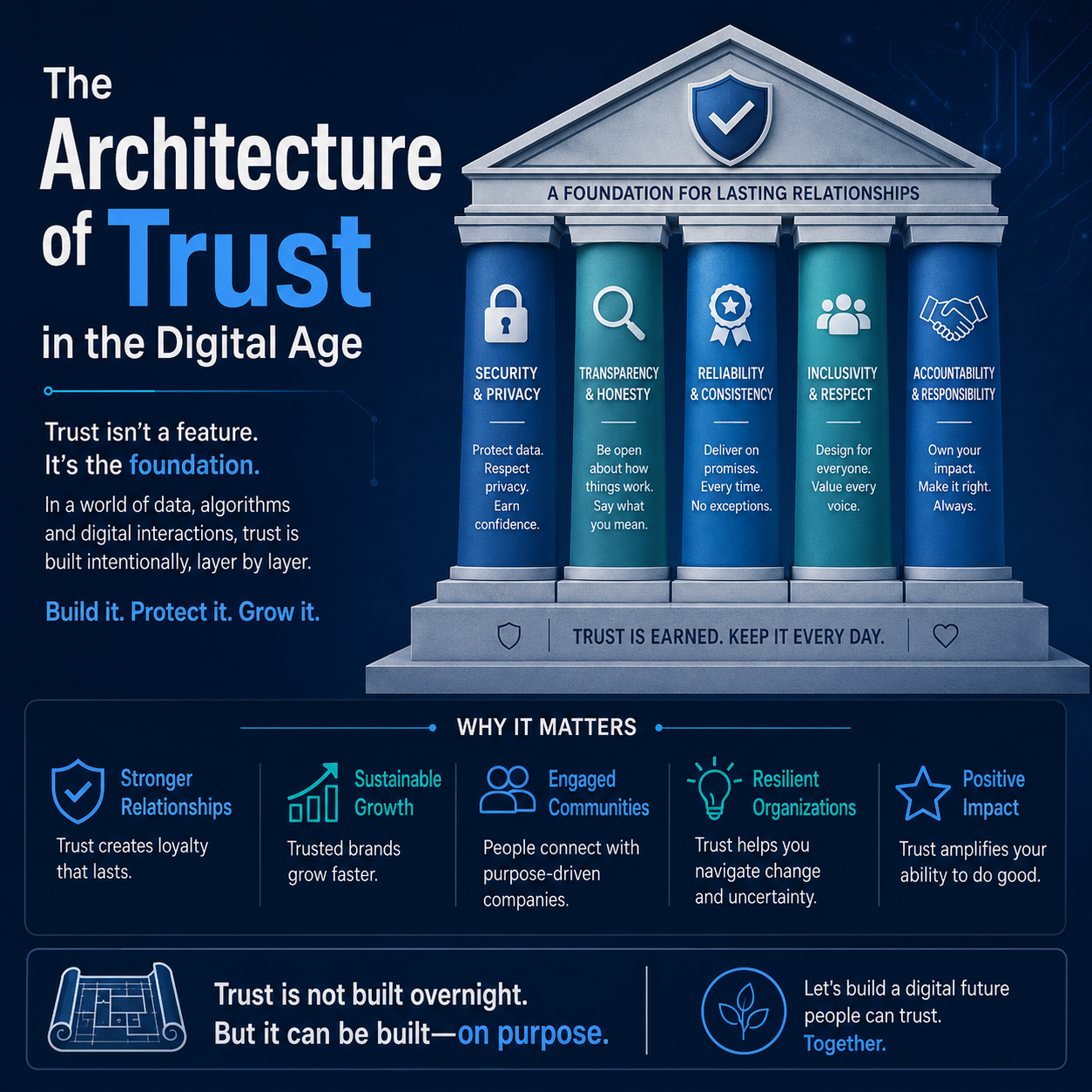
As privacy regulations continue to evolve, marketers must balance personalization with transparency and responsible data usage. Organizations that successfully combine customer trust with advanced personalization technologies will be well-positioned to thrive in the competitive digital marketing landscape of the future.





Leave a Comment